


Personal Protective Equipment for Concrete Work
- Apr 27
- 6 min read

Concrete forms the strong foundation of our roads, bridges, and buildings. While it serves as an incredibly durable building material, working with it presents severe physical and chemical hazards. To the untrained eye, concrete looks like a simple mix of gray powder, water, and aggregate. In reality, it acts as a highly caustic substance that can cause permanent damage to your skin, eyes, and lungs.
When you pour, finish, or cut concrete, your skills alone cannot protect you from these hidden dangers. You must place a reliable physical barrier between your body and the materials you handle. Personal protective equipment (PPE) serves as this critical shield. Proper gear prevents severe burns, stops toxic dust from entering your lungs, and ensures you return home safely after a hard day of work.
This guide explores the specific personal protective equipment required for concrete work. We will discuss the unique risks associated with concrete exposure, detail the essential gear you need on the job, and explain how proper PPE mitigates these daily hazards.
The Hidden Hazards of Concrete Exposure
Before we examine the protective gear, we must understand exactly what we are protecting against. Concrete presents two very different types of hazards depending on whether it is wet or dry. Both states require serious safety precautions.
The Danger of Wet Concrete
Wet concrete contains Portland cement, which is highly alkaline. When you mix cement with water, the resulting chemical reaction creates a pH level that can reach up to 13 or 14. This high alkalinity makes wet concrete just as corrosive as chemical drain cleaners.
If wet concrete sits on your skin, it begins to draw out moisture. The most dangerous aspect of a cement burn is that you rarely feel it happening. The chemical reaction slowly destroys your nerve endings before you feel any pain. By the time you notice a burning sensation, you may already have severe, third-degree chemical burns that require skin grafts.
The Threat of Dry Concrete and Dust
When concrete dries, it hardens into a dense, rock-like material. However, the construction process rarely stops there. Workers frequently need to cut, grind, drill, or demolish cured concrete. These actions release massive clouds of microscopic dust into the air.
This dust contains respirable crystalline silica. These tiny silica particles are 100 times smaller than a grain of ordinary sand. When you inhale them, they travel deep into your lungs and cause severe scar tissue to form. Over time, this exposure leads to a fatal, incurable lung disease known as silicosis.
Essential Personal Protective Equipment for Concrete Work
Standard construction gear will not keep you safe when pouring or finishing concrete. You need specialized equipment designed specifically to handle highly alkaline moisture and fine silica dust.
Protecting Your Hands: Alkali-Resistant Gloves
Your hands make direct contact with tools, forms, and the concrete itself. Standard leather or cotton work gloves fail completely in this environment. Wet concrete quickly soaks right through the fabric, trapping the caustic chemicals directly against your skin.
You must wear heavy-duty, alkali-resistant gloves made of butyl, nitrile, or thick rubber. These materials block moisture entirely. Ensure your gloves fit properly and extend well past your wrists. Many concrete finishers tape the cuffs of their gloves to their long sleeves to prevent wet cement from dripping inside the glove during a pour.
Shielding Your Feet: Rubber Concrete Boots
Pouring a foundation or a driveway often requires you to wade directly into the wet concrete. Standard leather steel-toed boots absorb moisture rapidly. Once the wet cement breaches the leather, it pools around your socks, causing severe burns to your feet and ankles.
Concrete workers must wear tall, waterproof rubber boots. These boots should rise almost to the knee, preventing concrete from spilling over the top when you step into deep sections. Despite being made of rubber, these boots must still feature reinforced steel or composite toes to protect you from heavy falling tools and materials. Always wash your boots thoroughly at the end of the day to prevent the rubber from degrading.
Guarding Your Eyes: Safety Goggles and Face Shields
A simple splash of wet concrete can cause immediate, irreversible damage to your vision. The high alkalinity of the cement paste burns the delicate tissues of your eyes just as severely as it burns your skin. Furthermore, dry concrete dust easily blows into your eyes, causing severe irritation and scratching your corneas.
Standard safety glasses leave gaps around the sides, top, and bottom. For concrete work, you should wear unvented or indirectly vented safety goggles. These goggles form a tight seal around your eyes, blocking liquid splashes and fine dust. If you are pouring concrete from an overhead pump truck or breaking up concrete with a jackhammer, you should wear a full face shield over your goggles for maximum protection.
Defending Your Lungs: Respiratory Masks
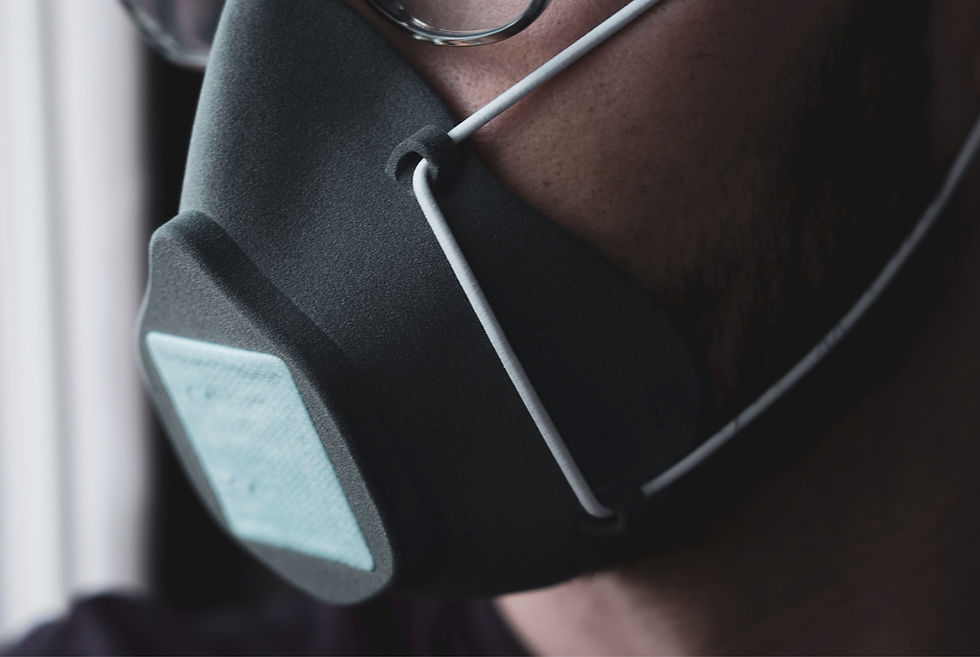
Respiratory protection stands as your only defense against crystalline silica dust. When you mix dry cement powder or cut cured concrete, you must protect your airways. A simple cloth mask or a basic surgical mask cannot filter out microscopic silica particles.
You need a National Institute for Occupational Safety and Health (NIOSH) approved respirator. For most concrete mixing and cutting tasks, an N95 or P100 half-face respirator provides adequate protection. The mask must fit tightly against your face to ensure all the air you breathe passes directly through the filters. Employers must provide proper fit testing for all workers to guarantee the respirators seal correctly over their noses and mouths.
Covering Your Skin: Long Sleeves and Waterproof Trousers
Concrete workers should never wear shorts or short-sleeved shirts. You must cover as much exposed skin as possible to prevent accidental contact with wet cement and abrasive dust.
Wear full-length trousers and long-sleeved shirts made of a tight-weave fabric. When working directly in wet concrete, consider wearing waterproof pants or overalls. If you kneel to trowel or finish a concrete slab, you absolutely must wear waterproof knee pads. Kneeling directly in wet cement allows the moisture to soak through your pants, leading to severe chemical burns on your knees and shins.
How Proper PPE Mitigates Concrete Exposure Risks
Personal protective equipment acts as a vital barrier between your body and severe injury. By consistently wearing the right gear, you drastically reduce the hazards of concrete exposure.
Proper gloves and boots lock out alkaline moisture. They prevent the stealthy chemical reactions that lead to third-degree cement burns. When you keep the wet paste off your skin, you eliminate the risk of these agonizing injuries.
Respiratory masks trap silica dust before it enters your throat. By filtering out these microscopic particles, you protect your lung capacity. You prevent the buildup of scar tissue, ensuring you can breathe easily and comfortably long after you retire from the construction industry.
Eye protection prevents catastrophic vision loss. A single splash of wet concrete can end a career in an instant. Goggles ensure that accidents remain minor inconveniences rather than life-altering tragedies.
Maintaining Your Concrete Safety Gear
PPE only works when you keep it in good condition. Concrete serves as a highly abrasive and corrosive material that quickly degrades protective equipment. You must implement a strict maintenance routine to ensure your gear remains effective.
Wash your rubber boots and heavy-duty gloves with clean water at the end of every shift. Removing the wet cement before it dries prevents the rubber from cracking and tearing. Inspect your gloves daily for tiny pinholes. A hole the size of a needle allows enough alkaline moisture in to cause a serious burn.
Store your respiratory masks in a clean, sealed bag when you are not using them. If you leave your mask hanging in a dusty tool trailer, the filters will clog with airborne debris. Replace your filters regularly according to the manufacturer's guidelines to ensure you receive maximum airflow and protection.
Enhance Your Jobsite Safety Today
Working with concrete requires immense skill, physical endurance, and a deep respect for the materials involved. You cannot afford to cut corners when it comes to your health. Wearing the correct personal protective equipment ensures you protect your skin, your eyes, and your lungs from irreversible damage.
However, buying the right equipment represents only the first step in jobsite safety. You also need comprehensive training to recognize hazards, understand OSHA regulations, and build a culture of compliance across your entire team. When everyone on the jobsite understands how to protect themselves, the entire operation runs smoothly and safely.
Must Be Safety provides expert training and consulting services designed specifically for demanding construction environments. Our safety professionals can help you assess your concrete work hazards, select the appropriate PPE, and implement effective safety protocols. From specialized OSHA training to thorough jobsite safety inspections, we deliver the solutions you need to protect your workforce.
Take the proactive step in protecting your team from the unique hazards of concrete work. Explore the comprehensive consulting and training services at Must Be Safety today to enhance your workplace safety. Contact us to schedule your safety program evaluation and ensure your concrete crews have the knowledge and protection they need to succeed.


Comments