


Silica Safety Awareness: Protecting Your Crew From an Invisible Dust

You can't always see it, but silica dust is one of the most dangerous threats on a construction site. Every time a worker cuts concrete, grinds masonry, or drills into stone, tiny particles fill the air. Breathe them in day after day, and the damage adds up quietly until it becomes permanent.
The hard part is that these particles are far too small to see, and the harm they cause often shows up years later. By then, the disease is already done. The good news? Silica exposure is controllable. With the right knowledge, proper engineering controls, and a solid plan, you can protect your crew long before that dust ever reaches their lungs. Let's walk through what you need to know.
What Is Crystalline Silica?
Silica is a natural mineral found in materials your crew handles every single day. Concrete, brick, block, mortar, stone, and sand all contain crystalline silica. In solid form, it's harmless. The danger appears when you disturb it.
When you cut, grind, drill, chip, or crush these materials, you release respirable crystalline silica, particles so fine they're roughly 100 times smaller than a grain of sand. These particles float in the air, and workers breathe them deep into their lungs without ever feeling a thing.
That invisibility is exactly what makes silica so dangerous. A worker can finish a shift feeling fine while the real damage builds silently inside.
Where Silica Exposure Happens on the Jobsite
Silica dust shows up wherever your crew works with masonry, concrete, or stone. Recognizing these tasks is the first step toward controlling the risk.
High-exposure activities include:
Cutting concrete, brick, block, or stone with saws
Grinding concrete surfaces, mortar, or masonry joints
Drilling into concrete, rock, or masonry
Chipping and demolishing concrete or stone structures
Tuckpointing and removing old mortar
Crushing stone or recycled concrete
Abrasive blasting with sand or silica-containing materials
Mixing and handling dry concrete, mortar, or sand
Even sweeping up afterward stirs settled dust back into the air. Every one of these tasks demands attention, because silica doesn't stay in one place.
The Health Hazards You Can't Ignore
Silica exposure doesn't just cause discomfort. It causes serious, often irreversible disease. Understanding these risks makes the case for protection impossible to ignore.
Silicosis. This is the signature disease of silica exposure. Tiny particles scar lung tissue, making it harder and harder to breathe. There is no cure. Silicosis can be chronic, developing over years, or acute, striking after heavy short-term exposure. In severe cases, it's fatal.
Lung cancer. Crystalline silica is a known human carcinogen. Long-term exposure significantly raises the risk of developing lung cancer.
Chronic obstructive pulmonary disease (COPD). Silica dust contributes to COPD, a group of lung conditions that block airflow and make daily breathing a struggle.
Kidney disease. Research links silica exposure to kidney damage and chronic kidney disease, showing the harm reaches beyond the lungs.
Key takeaway: These conditions develop quietly and often can't be reversed. Prevention isn't optional, it's the only real protection your workers have.
What OSHA's Silica Standard Requires
OSHA sets clear rules for respirable crystalline silica under 29 CFR 1926.1153, the Silica Standard for Construction. This standard exists because the stakes are so high, and compliance protects both your people and your business.
Here's what every team needs to understand.
The Permissible Exposure Limit
OSHA sets a permissible exposure limit (PEL) of 50 micrograms of respirable crystalline silica per cubic meter of air, averaged over an 8-hour shift. There's also an action level of 25 micrograms that triggers certain requirements. These limits are strict because the danger is real.
Table 1: Your Compliance Roadmap
Table 1 is the heart of the standard, and it's designed to make compliance straightforward. It lists 18 common construction tasks, each paired with specific engineering controls, work practices, and respiratory protection.
If you fully and properly follow the controls Table 1 specifies for a task, you don't have to measure your workers' exposure for that task. Examples include:
Using a stationary masonry saw with an integrated water delivery system
Operating a handheld grinder with a commercially available dust shroud and vacuum
Drilling with a tool that has a dust collection system attached
Table 1 takes the guesswork out of compliance. Follow it correctly, and you've met OSHA's expectations for that task.
The Alternative Exposure Assessment Path
If a task isn't on Table 1, or you choose not to follow it exactly, you must assess worker exposure. This means measuring silica levels in the air through monitoring, then keeping exposure at or below the PEL. This path requires more documentation and ongoing attention.
Written Exposure Control Plan
The standard requires a written exposure control plan. This document must describe:
The tasks that involve silica exposure
The engineering controls, work practices, and respiratory protection used for each task
The housekeeping measures in place to limit dust
How you'll restrict access to high-exposure areas
This plan isn't a one-time form. You must review it at least annually and update it as conditions change.
Designated Competent Person
You must name a competent person to oversee the silica program. This individual can identify silica hazards, knows the control measures, and has the authority to correct problems. They make regular inspections to confirm the plan is working in the field.
Medical Surveillance
The standard requires medical surveillance for workers exposed at or above the action level for 30 or more days a year. This includes baseline exams, chest X-rays, lung function tests, and follow-up exams every three years. Early detection gives workers a fighting chance.
Engineering Controls That Stop Dust at the Source
The smartest way to fight silica is to stop the dust before it ever becomes airborne. OSHA prioritizes engineering controls for exactly this reason, and they work.
Water suppression. Applying water at the point of cutting, grinding, or drilling keeps dust from rising into the air. Saws with integrated water delivery and tools fed by a steady water stream dramatically cut exposure.
Vacuum dust collection. Local exhaust ventilation uses shrouds and HEPA-filtered vacuums to capture dust right where it's created. Handheld grinders and drills equipped with dust collection systems pull particles away before workers can breathe them in.
These controls do the heavy lifting. When they're used correctly and maintained well, they keep exposure low without relying on the worker to do everything right.
When PPE and Respiratory Protection Step In
Engineering controls come first, but sometimes they aren't enough on their own. That's when respiratory protection fills the gap.
When respirators are required:
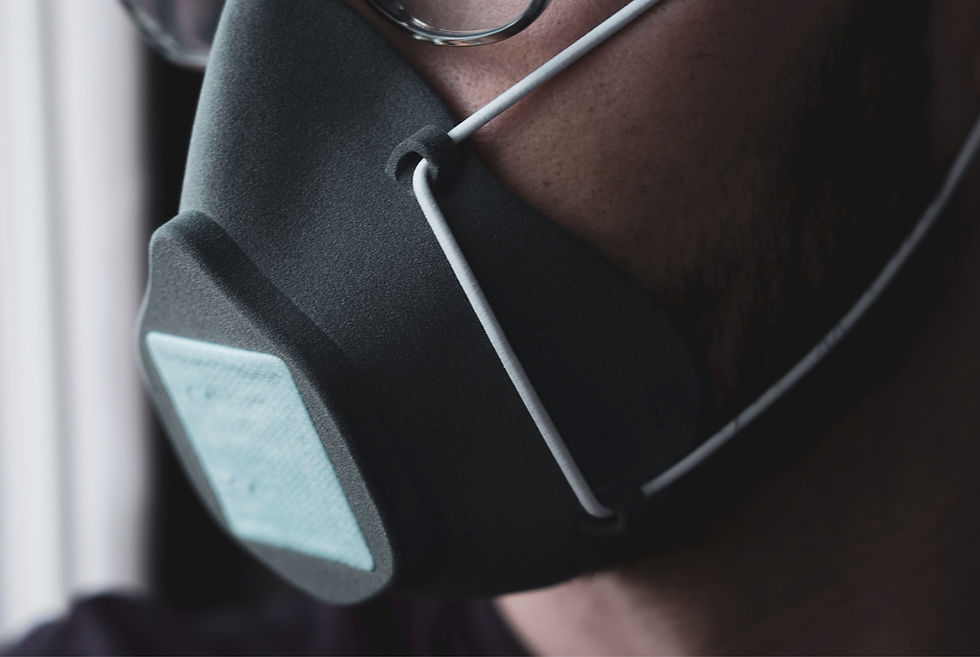
Workers must wear the correct type, often an N95 or a more protective respirator depending on exposure levels
A respiratory protection program must be in place, including fit testing and medical evaluations
Filtering facepieces and tight-fitting respirators must seal properly, which means facial hair can compromise protection
Good housekeeping supports every control. Never dry sweep or use compressed air to clean silica dust, since both send particles right back into the air. Use HEPA vacuums or wet methods instead.
Common Mistakes That Put Workers at Risk
Even teams with good intentions slip up. Watch for these errors that quietly raise exposure.
Running water systems dry. A saw with an empty water tank offers no protection. Check water supply before every cut.
Skipping vacuum maintenance. A clogged or poorly fitted shroud lets dust escape. Inspect and maintain collection systems regularly.
Dry sweeping cleanup. This stirs settled silica back into the air. Always use wet methods or HEPA vacuums.
Ignoring Table 1 details. Partial compliance isn't compliance. Follow every specified control fully.
Treating respirators as the first line of defense. PPE backs up engineering controls, it doesn't replace them.
Most of these mistakes trace back to one root cause: a gap in training. When workers understand why each control matters, they protect themselves and each other.
Training Requirements That Build a Safer Crew
OSHA requires that workers exposed to silica receive training they can actually understand and use. Each worker must know:
The health hazards tied to silica exposure
The specific tasks on your site that create silica dust
The controls, work practices, and equipment used to limit exposure
The contents of your written exposure control plan
The purpose of medical surveillance and how to take part
Training turns a written plan into real-world protection. A crew that recognizes the hazard and knows how to control it becomes your strongest defense.
How Must Be Safety Protects Your Crew From Silica
At Must Be Safety, we believe silica protection comes down to knowledge, the right controls, and reliable support. Based in Nashville and serving construction, industrial, and federal-contract teams across Tennessee, we help you build silica programs that protect your people and stand up to OSHA scrutiny.
Here's how we partner with you:
Training Services. Our hands-on courses teach your crew to recognize silica hazards, use engineering controls correctly, and follow your exposure control plan every day. We deliver practical, field-ready skills your team applies the moment they're back on site.
Safety Consulting. Our experts help you develop your written exposure control plan, apply Table 1 correctly, set up medical surveillance, and prepare your designated competent person. If you're facing a citation, our compliance assistance helps you respond and correct issues fast.
Jobsite Inspections and Audits. Through regular evaluations, we confirm your controls are working and catch problems before they harm anyone. We offer timeline-based, annual, quarterly, monthly, and weekly inspections, plus retainer options for ongoing oversight, so your silica safety never slips between visits.
We also offer bilingual instruction, so language never stands between your workers and the knowledge that keeps them safe.
Breathe Easier With a Smarter Silica Program
Silica dust may be invisible, but the danger is very real, and so is your power to prevent it. With proper engineering controls, a solid written plan, medical surveillance, and a trained crew, you can keep silica exposure low and protect your workers for the long haul.
That's exactly where we come in. Whether you're launching a silica safety program or strengthening one you already trust, Must Be Safety delivers the training, consulting, and inspection support your team can rely on.
Reach out today, and let's build a safer jobsite together.
Comments