


Staying Protected: Vaccine Recommendations for First Aid Providers
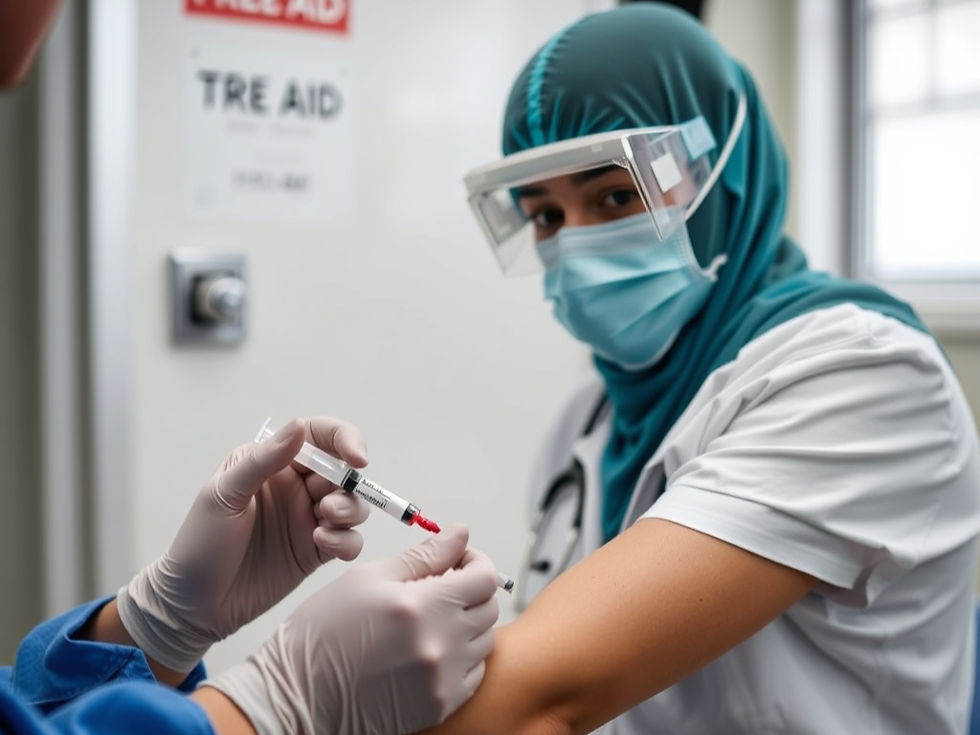
As a first aid provider, you are the first line of defense in an emergency. Whether in a bustling construction site, a quiet office, or a community setting, you step up when it matters most. Your training equips you to handle injuries and medical crises with confidence. But what about protecting your own health? In the line of duty, you can be exposed to bloodborne pathogens and other infectious diseases. This is where vaccinations become a critical part of your personal protective equipment (PPE).
Staying current with your immunizations is not just a personal health matter; it is a fundamental aspect of workplace safety. It protects you, the individuals you care for, and your community. Understanding which vaccines are recommended and why they are important is essential for anyone with first aid certification.
This guide will walk you through the key vaccine recommendations for first aid providers, explaining how they contribute to a safer environment for everyone.
Why Vaccinations Are Crucial for First Aid Responders
When you provide first aid, you often come into contact with blood and other bodily fluids. This exposure puts you at risk of contracting serious illnesses. Vaccinations work by preparing your immune system to recognize and fight off specific viruses and bacteria, significantly reducing your risk of infection if you are exposed.
For employers, ensuring that designated first aid personnel are properly vaccinated is a key component of a comprehensive workplace safety program. It demonstrates a commitment to employee health and helps maintain compliance with occupational health standards. For the provider, being vaccinated offers peace of mind, allowing you to focus on delivering care without unnecessary worry about personal risk.
Let's explore the most important immunizations for anyone trained in first aid.
Key Vaccine Recommendations
While your specific needs should be discussed with a healthcare professional, several vaccines are universally recommended for individuals who may have contact with blood or other potentially infectious materials.
1. Hepatitis B Vaccine
Hepatitis B is a serious liver infection caused by the hepatitis B virus (HBV). The virus is transmitted through contact with infected blood and certain other body fluids. Because first aid situations often involve open wounds and bleeding, the risk of exposure to HBV is a significant concern. An accidental needlestick or contact with blood through a small cut on your own skin could lead to infection.
The consequences of an HBV infection can be severe, ranging from a short-term illness to a chronic, lifelong condition that can cause cirrhosis or liver cancer.
Recommendation: The Hepatitis B vaccine is one of the most critical immunizations for first aid providers. It is typically administered in a series of three shots over several months. The Occupational Safety and Health Administration (OSHA) requires employers to offer the Hepatitis B vaccine series free of charge to employees who are reasonably anticipated to have contact with blood or other potentially infectious materials as part of their job duties.
2. Tetanus, Diphtheria, and Pertussis (Tdap) Vaccine
Tetanus, also known as lockjaw, is a serious bacterial infection that affects the nervous system, causing painful muscle contractions, particularly in the jaw and neck. The bacteria that cause tetanus are found in soil, dust, and manure and can enter the body through breaks in the skin, such as cuts, scrapes, or puncture wounds—the very injuries you are likely to encounter as a first aid provider.
Recommendation: A tetanus shot is crucial for your protection. The Tdap vaccine protects against tetanus, diphtheria, and pertussis (whooping cough). Adults should receive a Tdap booster every 10 years to maintain immunity. If you sustain a deep or dirty wound, a booster may be recommended if it has been more than five years since your last shot. Protecting yourself ensures you are not a casualty of the very incident you are responding to.
3. Influenza (Flu) Vaccine
The flu is a contagious respiratory illness caused by influenza viruses. While it might be tempting to dismiss it as a common seasonal ailment, the flu can cause serious complications, leading to hospitalization or even death, particularly in vulnerable populations like the very young, the elderly, or those with underlying health conditions.
As a first aid provider, you may be in close contact with someone who is ill. Furthermore, if you contract the flu, you could unknowingly pass it on to the people you are trying to help, potentially worsening their condition.
Recommendation: An annual flu shot is recommended for everyone, but it is especially important for first aid and healthcare personnel. Getting vaccinated each year is the best way to protect yourself and prevent the spread of the virus to others. A healthy responder is an effective responder.
Protecting Yourself and Others
Your decision to get vaccinated has a ripple effect. It's a vital act of personal responsibility that extends protection far beyond yourself.
Protecting Patients: When you are immune to certain diseases, you cannot transmit them to the person you are assisting. This is especially important when caring for someone whose immune system may be compromised due to their injury or a pre-existing condition.
Protecting Your Community: High vaccination rates create "community immunity" (or herd immunity), which helps protect the most vulnerable members of our society who may not be able to get vaccinated themselves.
Ensuring Your Availability: Contracting a preventable disease could take you out of commission for days or weeks, leaving your workplace or community without a trained first aid provider when one is needed. Staying healthy ensures you are ready to respond.
Integrating Vaccinations into Your Safety Protocol
For businesses and organizations, maintaining a roster of vaccinated first aid providers should be an integral part of your overall safety strategy. It’s as important as stocking a first aid kit or conducting regular drills.
Encourage employees with first aid duties to keep a record of their immunizations and to consult with their doctor about recommended schedules. This proactive approach strengthens your workplace safety culture and underscores the value you place on your employees' well-being.
Staying updated on your vaccines is a simple yet powerful way to uphold your duty of care as a first aid provider. It complements your training, sharpens your readiness, and reinforces the core principle of safety: to protect and preserve life, starting with your own.
For comprehensive workplace safety training, including first aid certification and OSHA compliance consulting, a trusted partner can make all the difference. At Must Be Safety, we are dedicated to helping organizations build a strong culture of safety through practical, standards-based education and expert guidance. We believe that a prepared and protected workforce is the foundation of a successful business.


Comments