


Breathe Easier: Your Guide to Respiratory Protection in the Workplace
- Nov 5, 2025
- 5 min read

In many industries, the air workers breathe can contain unseen dangers. Dust, fumes, gases, and vapors can pose significant health risks, leading to chronic diseases and acute illnesses. Protecting your lungs is not optional; it's a fundamental requirement for a safe work environment. Effective respiratory protection is a critical line of defense against these airborne hazards.
This guide will explain the importance of respiratory protection, detail the types of hazards you might encounter, and break down the different kinds of respirators available. Understanding these elements is key to ensuring you and your team are properly protected on the job.
Why Respiratory Protection is Non-Negotiable
The lungs are one of the body's most vital organs, but they are also incredibly vulnerable to airborne contaminants. Exposure to hazardous substances can cause a range of health problems, from temporary irritation to life-threatening conditions like silicosis, asbestosis, and cancer. OSHA has established clear standards for respiratory protection to prevent these occupational diseases.
Beyond the immediate health risks, failing to implement a proper respiratory protection program can lead to severe consequences for a business. These include hefty fines, legal action, and a damaged reputation. More importantly, it signals a failure to prioritize the well-being of your employees. A robust safety culture starts with providing the right equipment and the knowledge to use it effectively.
Identifying Respiratory Hazards in Your Workplace
The first step in selecting the right protection is to identify the specific hazards present. Airborne contaminants generally fall into several categories. A thorough risk assessment is necessary to determine what your workers are exposed to and at what concentrations.
Particulates
Particulates are tiny solid particles suspended in the air. They are often generated by processes like cutting, grinding, sanding, and drilling.
Dusts: Created from the mechanical breakdown of materials like wood, concrete, and metal.
Fumes: Extremely small solid particles formed when a metal is heated, vaporized, and then cools. Welding is a common source of metal fumes.
Fibers: Solid particles with an elongated shape, such as asbestos or fiberglass.
Gases and Vapors
These contaminants are individual molecules mixed with the air.
Gases: Substances that are in a gaseous state at room temperature. Examples include carbon monoxide and chlorine.
Vapors: The gaseous form of substances that are normally liquid or solid at room temperature. Solvents, paints, and adhesives often release vapors.
Oxygen-Deficient Atmospheres
Some work environments, like confined spaces, may have insufficient oxygen levels. An atmosphere with less than 19.5% oxygen is considered oxygen-deficient and immediately dangerous to life and health.
Choosing the Right Respirator: A Breakdown
Once you have identified the hazards, you can select an appropriate respirator. Respirators fall into two main categories: air-purifying respirators (APRs) and atmosphere-supplying respirators.
1. Air-Purifying Respirators (APRs)
APRs work by filtering contaminants from the air before you breathe them in. They do not supply oxygen and should never be used in oxygen-deficient atmospheres.
Non-Powered APRs
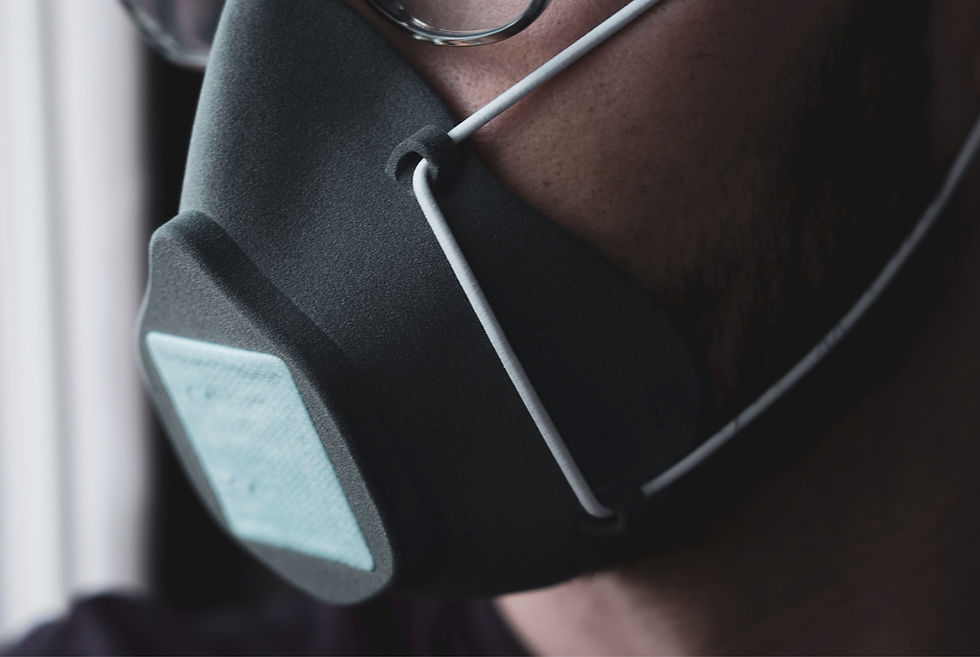
Filtering Facepiece Respirators (FFRs): Commonly known as disposable respirators or "dust masks" (e.g., N95). They cover the nose and mouth and are designed to filter out particulates. The letter (N, R, or P) indicates oil resistance, while the number (95, 99, or 100) indicates filtration efficiency.
Elastomeric Half-Facepiece Respirators: Reusable masks made of rubber or silicone that cover the nose and mouth. They use replaceable cartridges or filters to protect against particulates, gases, and vapors.
Elastomeric Full-Facepiece Respirators: Similar to half-facepiece models but they also cover the eyes, providing additional protection from irritating vapors and splashes.
Powered Air-Purifying Respirators (PAPRs)
PAPRs use a battery-powered blower to force air through a filter and into the user's facepiece, hood, or helmet. This positive pressure makes breathing easier and provides a higher level of protection. They are excellent for long work shifts and for workers with facial hair who cannot get a good seal with other respirators.
2. Atmosphere-Supplying Respirators
These respirators provide a clean supply of breathing air from an independent source. They are required for oxygen-deficient environments or when contaminant levels are extremely high.
Supplied-Air Respirators (SARs)
Also known as airline respirators, SARs deliver air to the user through a long hose connected to a compressor or a cylinder of compressed air. This allows for extended work periods but limits the user's mobility to the length of the hose.
Self-Contained Breathing Apparatus (SCBA)
An SCBA provides breathable air from a portable, wearable tank. This is the same type of equipment used by firefighters. It offers the highest level of respiratory protection and complete freedom of movement, but the air supply is limited (typically 30-60 minutes), and the units are heavy.
The Critical Role of Training and Fit Testing
Simply handing an employee a respirator is not enough to ensure their safety. OSHA's Respiratory Protection Standard (29 CFR 1910.134) mandates a comprehensive written program that includes several key components.
Medical Evaluation: Before wearing a respirator, employees must be medically evaluated to ensure they are physically able to do so safely.
Fit Testing: A tight seal between the respirator and the face is essential for it to work correctly. A fit test must be performed for all tight-fitting respirators to confirm a proper seal. This must be done annually and whenever there is a change in the employee's physical condition that could affect the fit.
Proper Use and Maintenance: Workers must be trained on how to properly inspect, put on, take off, use, and maintain their respirators. They need to understand the limitations of their equipment and how to recognize when cartridges need to be replaced.
This is where a professional safety partner is invaluable. At Must Be Safety, we don’t just teach the rules; we build competence and confidence. Our training programs are designed to equip your workers with the practical knowledge they need to use respirators effectively and comply with OSHA standards.
Our expert instructors provide hands-on training for everything from selecting the right respirator to performing fit tests and maintenance. We help you develop and implement a compliant respiratory protection program that fosters a culture of safety. By partnering with Must Be Safety, you ensure your team is not just equipped, but truly prepared to handle the respiratory hazards of their jobs.
Protect Your Team's Future
Breathing is second nature, but breathing safely in a hazardous environment requires conscious effort and the right protection. By conducting a thorough risk assessment, selecting the appropriate respirators, and investing in comprehensive training, you can protect your workforce from invisible dangers.
Don't leave your team's health to chance. A proactive approach to respiratory protection saves lives, ensures compliance, and strengthens your company's commitment to safety. Contact Must Be Safety today to learn how our training and consulting services can help you build an effective respiratory protection program.


Comments