


A Guide to Avoiding Welding Hazards
- Sep 14, 2025
- 5 min read
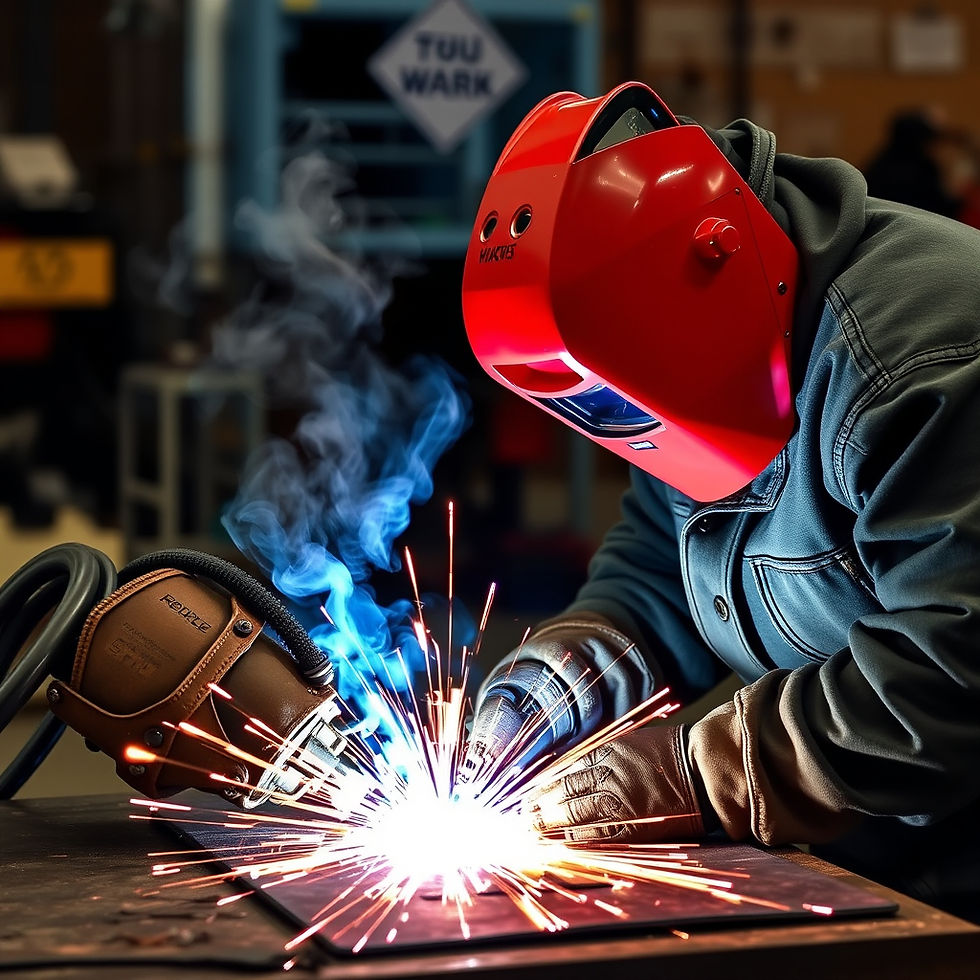
Welding operations present some of the most significant workplace hazards across construction, manufacturing, and industrial sectors. Every year, thousands of welders face injuries ranging from minor burns to life-threatening respiratory complications. The good news? Nearly all welding accidents are preventable with proper knowledge, equipment, and safety protocols.
This comprehensive guide explores the most common welding hazards and provides actionable strategies to keep you and your team safe on the job. From understanding toxic fume exposure to implementing fire prevention measures, we'll cover everything you need to create a safer welding environment.
Whether you're an experienced welder, safety manager, or new to the trade, understanding these risks and their prevention methods is essential for maintaining workplace safety and regulatory compliance.
Understanding the Primary Welding Hazards
Welding operations expose workers to multiple simultaneous risks that require careful attention and proper safeguards. These hazards fall into several distinct categories, each presenting unique challenges for worker safety.
Health and Respiratory Hazards
Toxic Fumes and Gases
Welding produces a complex mixture of metallic oxides, fluorides, and silicates that can cause serious health problems. Different welding processes and base metals create varying types of fumes:
Stainless steel welding releases chromium and nickel compounds
Galvanized steel produces dangerous zinc oxide fumes
Aluminum welding creates aluminum oxide particles
Arc welding generates nitrogen oxides and carbon monoxide
Short-term exposure can cause metal fume fever, characterized by flu-like symptoms. Long-term exposure may lead to lung disease, neurological problems, and cancer.
Ultraviolet and Infrared Radiation
Welding arcs emit intense UV and IR radiation that can damage skin and eyes. UV exposure causes "welder's flash," painful burns to the cornea and surrounding tissues. Repeated exposure without proper protection can lead to cataracts and permanent vision damage.
Physical Safety Hazards
Burns and Fire Risks
Welding involves extreme temperatures reaching over 6,000°F. Hot metal, sparks, and spatter pose constant burn risks to exposed skin. Additionally, welding sparks can travel up to 35 feet, creating fire hazards in surrounding areas.
Electrical Hazards
Welding equipment operates at high voltages and amperages. Faulty equipment, wet conditions, or improper grounding can result in electrical shock or electrocution. Even low-voltage welding current can be fatal under certain conditions.
Noise Exposure
Many welding operations, particularly plasma cutting and air carbon arc cutting, produce noise levels exceeding 90 decibels. Prolonged exposure can cause permanent hearing loss.
Essential Personal Protective Equipment for Welders
Proper PPE serves as your first line of defense against welding hazards. Each piece of equipment addresses specific risks and must meet industry safety standards.
Head and Eye Protection
Welding Helmets
Auto-darkening welding helmets provide superior protection compared to traditional fixed-shade helmets. Look for helmets with:
Shade range of 8-13 for versatility
Fast switching speed (1/10,000 second or faster)
UV/IR protection even when not darkened
Comfortable, adjustable headgear
Safety Glasses
Always wear ANSI-approved safety glasses under your welding helmet. Side shields provide additional protection from reflected light and flying particles.
Respiratory Protection
Respirator Selection
Choose respiratory protection based on your specific welding environment:
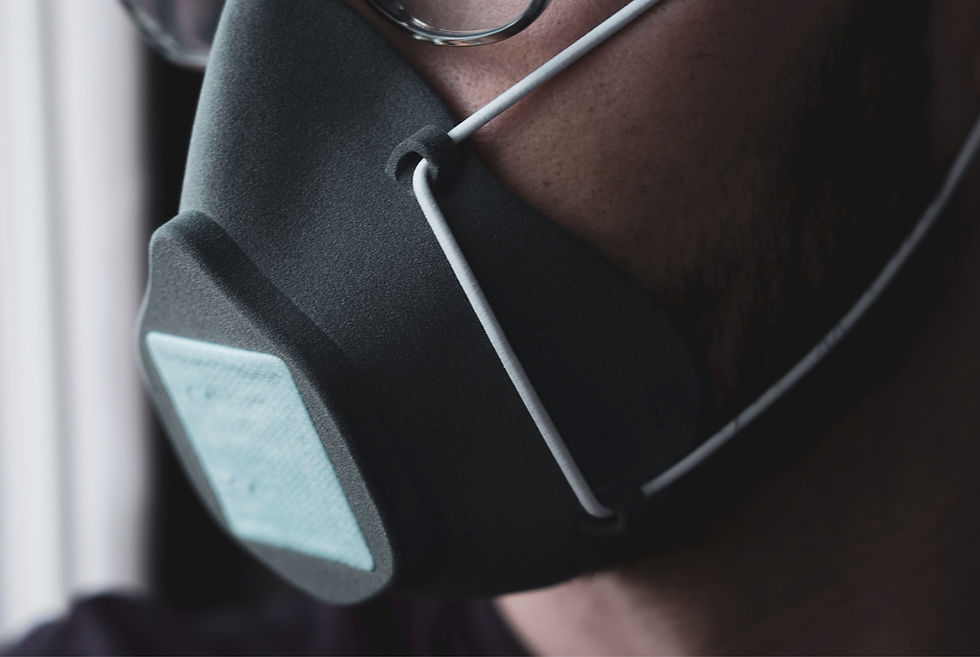
P100 particulate filters for general welding fumes
Combination cartridges for operations involving solvents or coatings
Supplied-air respirators for confined spaces or heavy fume exposure
Powered air-purifying respirators (PAPR) for extended work periods
Body Protection
Welding Clothing
Flame-resistant clothing protects against sparks, spatter, and UV radiation:
Heavy-duty cotton or leather welding jackets
Fire-resistant pants without cuffs or pockets that can catch sparks
High-top leather boots with metatarsal protection
Leather or flame-resistant gloves with appropriate dexterity
Avoid synthetic materials that can melt and adhere to skin when exposed to heat.
Workplace Safety Measures and Controls
Effective welding safety extends beyond personal protection to include engineering controls and work environment modifications.
Ventilation Systems
Local Exhaust Ventilation
Install exhaust systems that capture fumes at their source:
Movable exhaust hoods positioned 6-10 inches from the welding arc
Down-draft tables for small parts welding
Cross-draft ventilation for larger assemblies
General Ventilation
Ensure adequate air movement throughout the work area. Minimum air change rates depend on the welding process and workspace volume, but generally require 2,000 cubic feet per minute per welder for general ventilation.
Fire Prevention and Control
Hot Work Permits
Implement a hot work permit system for welding outside designated areas. Permits should require:
Fire watch personnel during and after welding
Removal of combustible materials within 35 feet
Availability of appropriate fire extinguishers
Post-work area inspection
Fire Safety Equipment
Station appropriate fire extinguishers within easy reach of welding areas. Class A extinguishers handle ordinary combustibles, while Class C extinguishers are suitable for electrical fires.
Electrical Safety Protocols
Equipment Maintenance
Regularly inspect welding equipment for:
Damaged cables or connections
Proper grounding connections
Electrode holder insulation
Power supply ventilation and cleanliness
Safe Work Practices
Never touch electrode holders or work pieces with bare skin
Keep welding cables dry and away from walkways
Use insulated electrode holders and ground clamps
Shut off welding power when not in use
Special Considerations for Confined Space Welding
Welding in confined spaces presents amplified risks requiring additional precautions and specialized procedures.
Pre-Entry Requirements
Before entering any confined space for welding:
Test atmosphere for oxygen levels, flammable gases, and toxic substances
Implement continuous atmospheric monitoring
Establish emergency rescue procedures
Ensure adequate ventilation or supplied-air systems
Ventilation in Confined Spaces
Natural ventilation is rarely sufficient in confined spaces. Use mechanical ventilation to:
Remove welding fumes and gases
Prevent accumulation of flammable gases
Maintain adequate oxygen levels
Provide fresh air circulation
Position ventilation intake away from the welding area to avoid drawing fumes back into the space.
Training and Certification Requirements
Proper training forms the foundation of any effective welding safety program. Workers need both initial training and ongoing education to maintain safe practices.
OSHA Training Standards
OSHA requires employers to provide training on:
Hazard recognition and assessment
Proper use and maintenance of PPE
Safe work procedures for specific welding processes
Emergency response procedures
Ongoing Education
Safety training should be an ongoing process, not a one-time event. Regular refresher training helps reinforce safe practices and introduces new safety technologies or procedures.
Consider partnering with certified safety training providers who can deliver comprehensive, up-to-date welding safety education tailored to your specific operations and hazards.
Building a Culture of Safety Excellence
Preventing welding hazards requires more than just following rules and wearing PPE. It demands a comprehensive approach that prioritizes safety at every level of your organization.
Regular safety assessments, proper training, and consistent enforcement of safety protocols create an environment where workers can perform their jobs confidently and safely. Remember that investing in welding safety protects not just individual workers, but your entire operation from costly accidents, regulatory violations, and productivity losses.
For expert guidance on welding safety training, OSHA compliance, and comprehensive safety program development, contact Must Be Safety at https://www.mustbesafety.com/. Their certified instructors provide practical, standards-based education that helps organizations build stronger safety cultures through hands-on training and risk management solutions.


Comments