


A Comprehensive Guide to Respirators: Protecting Your Lungs on the Job

Breathing clean air is a basic human need, yet many jobs expose workers to invisible hazards on a daily basis. Airborne threats like fine dust, toxic fumes, and harmful biological agents can cause severe, long-lasting health problems. When engineering controls and proper ventilation cannot fully remove these dangers, safety managers and workers rely heavily on respirators. These specialized pieces of personal protective equipment block harmful particles and gases from entering your respiratory system.
Protecting your team goes far beyond simply handing out masks. You must understand the specific hazards present in your work environment and match them with the correct protective equipment. Using the wrong equipment provides a false sense of security, which often leads to devastating health consequences. This guide explores the different types of respirators, their specific applications, and why rigorous fit testing is non-negotiable for workplace safety.
Exploring the Different Types of Respirators
Safety equipment manufacturers design different respirators to tackle specific airborne threats. We can divide these protective devices into three main categories. Each category serves a unique purpose and offers a different level of protection.
Disposable Respirators
Disposable respirators, often called filtering facepieces, are the most common type of lung protection. The N95 mask is the most well-known example of this category. The entire mask acts as the filter, trapping solid and liquid aerosol particles before you can inhale them.
These masks are lightweight, relatively inexpensive, and easy to use. Workers use them to block dust from sweeping, sawdust from woodworking, and certain biological hazards. However, disposable masks have strict limitations. They do not protect against gases, chemical vapors, or environments with low oxygen levels. As their name suggests, you must throw them away once they become soiled, damaged, or hard to breathe through.
Reusable Elastomeric Respirators
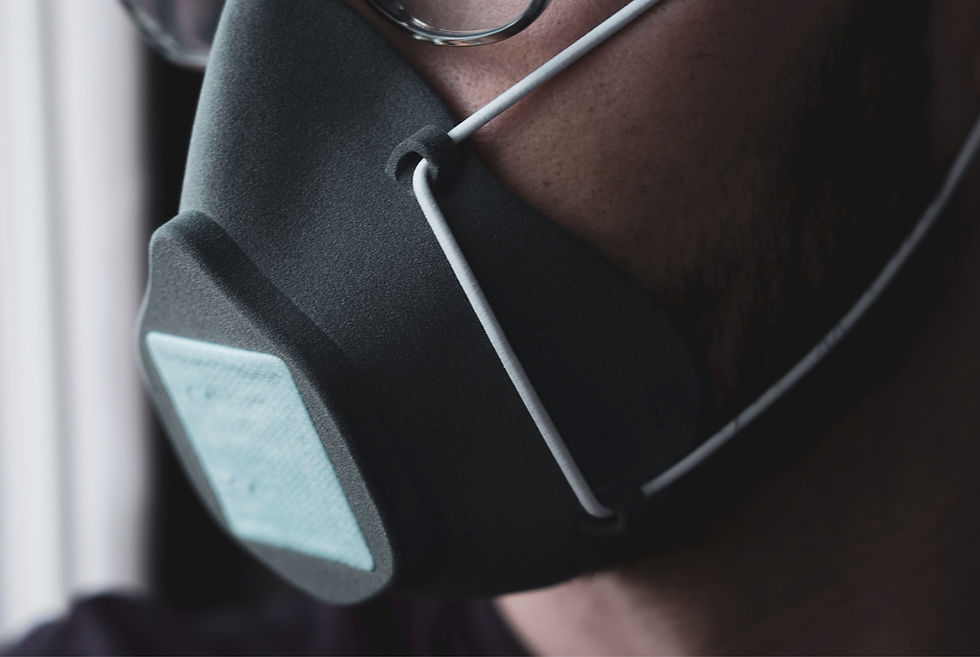
When hazards become more complex, reusable respirators offer a more robust solution. These devices feature a durable silicone or rubber facepiece that forms a tight, secure seal against the user's skin. You can choose between a half-face model, which covers the nose and mouth, or a full-face model, which also protects the eyes from chemical splashes and irritating vapors.
The defining feature of a reusable respirator is its modular design. Instead of throwing the whole mask away, you attach specific, replaceable filter cartridges to the sides. If your workers face heavy particulate dust, you attach a P100 dust filter. If they work around paint thinner or ammonia, you attach the appropriate chemical vapor cartridge. This flexibility makes reusable respirators a staple in many heavy industries.
Powered Air-Purifying Respirators (PAPR)
A Powered Air-Purifying Respirator takes worker protection and comfort to the highest level. These advanced systems use a battery-powered blower motor to pull dirty air through heavy-duty filters. The motor then pushes the clean, purified air up through a hose and into a facepiece, helmet, or loose-fitting hood.
Because the system constantly blows air onto the user's face, it creates positive pressure. If a small leak occurs around the seal, the clean air pushes outward, preventing the dirty air from sneaking in. Furthermore, the constant breeze provides a cooling effect, which heavily reduces heat stress and breathing fatigue during long, demanding shifts. Workers who cannot wear tight-fitting masks due to facial hair often use PAPR systems with loose-fitting hoods to stay safe.
Essential Industries That Rely on Respirators
Airborne hazards exist across a wide range of sectors. However, certain industries face extreme respiratory risks that make proper protection an absolute necessity for survival.
Healthcare and Medical Fields
Healthcare workers stand on the front lines against infectious diseases. In hospitals, clinics, and laboratories, bacteria and viruses travel easily through the air. Medical professionals rely heavily on tightly fitted N95 disposable respirators to protect themselves from airborne pathogens while treating sick patients. During major outbreaks or when performing highly infectious procedures, doctors and nurses often upgrade to PAPR systems for maximum protection and comfort during long shifts.
Construction and Demolition
Construction sites produce massive amounts of dangerous dust. Workers cut concrete, crush rock, sand drywall, and sweep up heavy debris every single day. These tasks release massive clouds of crystalline silica dust and other abrasive particles. Breathing in silica dust causes incurable lung diseases over time. Construction crews depend on N95 masks for basic dust control and reusable half-face respirators equipped with P100 filters when performing high-risk tasks like masonry cutting or heavy demolition.
Chemical Processing and Manufacturing
Manufacturing plants and chemical refineries present unique and highly toxic hazards. Workers in these facilities handle raw chemicals, operate industrial spray paint booths, and manage large-scale mixing tanks. A simple dust mask offers zero protection against these threats. Workers must use full-face reusable respirators or advanced PAPR systems equipped with specific chemical vapor cartridges. This ensures they remain safe from toxic inhalation and severe chemical burns to their eyes and lungs.
The Critical Importance of Fit Testing and Maintenance
Buying the best respirator on the market means nothing if it does not fit the worker's face correctly. A respirator only works if it creates an airtight seal around the nose and mouth. If the seal breaks, contaminated air bypasses the filter entirely and enters the lungs.
To guarantee a safe seal, you must perform a professional fit test. The Occupational Safety and Health Administration (OSHA) requires employers to fit-test workers before they use a tight-fitting respirator for the first time, and at least once a year after that.
There are two main types of fit testing:
Qualitative Fit Testing: This pass/fail test relies on the worker's sense of taste or smell. The tester releases a sweet or bitter harmless aerosol around the worker's head. If the worker tastes or smells the substance, the mask fails the test and needs adjustment.
Quantitative Fit Testing: This method uses a specialized machine to measure the exact amount of leakage entering the mask. It does not rely on the worker's senses, making it highly accurate and required for full-face respirators.
Beyond fit testing, regular maintenance keeps your equipment functioning properly. Workers must clean their reusable respirators daily with approved wipes or mild soap. They must inspect the rubber seals for cracks, check the valves for dirt, and store the masks in sealed bags away from extreme heat or direct sunlight. Proper care ensures the equipment is ready to protect them the next time they clock in.
Partner with Must Be Safety for Your Respiratory Needs
Managing a comprehensive respiratory protection program requires deep knowledge of safety standards, hazard assessments, and proper equipment fitting. Attempting to manage these complex requirements on your own leaves your business vulnerable to compliance failures and puts your workers at serious risk.
You need an experienced partner to guide you through the process. Must Be Safety stands as a premier consulting firm dedicated to raising workplace safety standards across all industries. Their team understands the unique airborne hazards your specific industry faces and helps you source the exact disposable masks, reusable facepieces, and advanced PAPR systems your team needs.
Furthermore, Must Be Safety offers vital fit testing services to ensure your equipment actually works. They help you meet strict OSHA requirements by conducting rigorous qualitative and quantitative fit tests for your entire crew. By partnering with Must Be Safety, you ensure that every worker has a perfectly fitted mask and the training to maintain it properly. We invite you to visit https://www.mustbesafety.com/ to explore their comprehensive safety services and secure the best respiratory protection for your workforce today.


Comments